
আপনার কার্ট খালি.
আপনার জন্য তৈরি মানসম্পন্ন পণ্য, একচেটিয়া ডিল এবং দ্রুত ডেলিভারি অন্বেষণ করুন।
কেনাকাটা শুরু করুন English
 Arabic
 Bangla

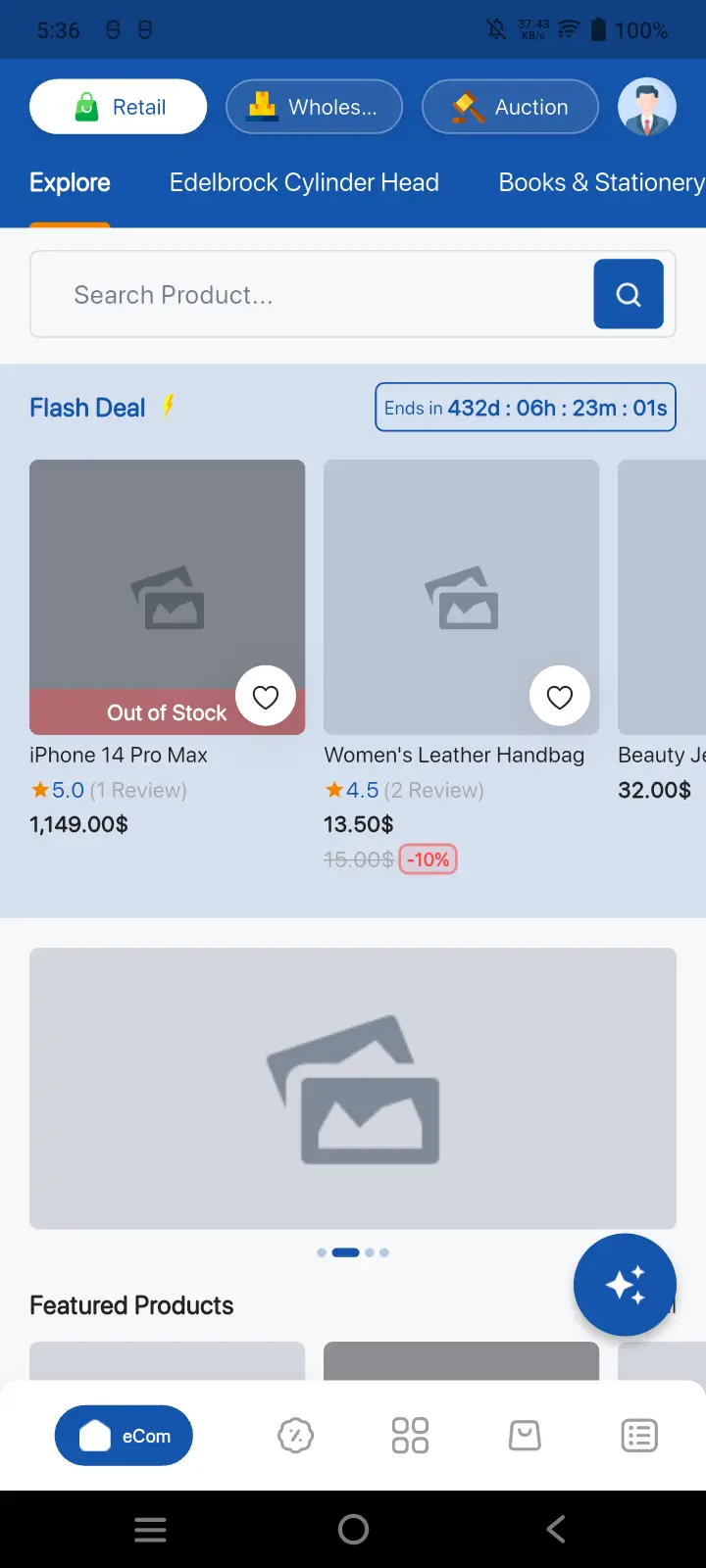
 খুচরা
আপনার কেনাকাটা উদ্দেশ্য সবচেয়ে ভাল মেলে যে অভিজ্ঞতা চয়ন করুন.
#দ্রষ্টব্য : আপনি উপরের মেনু থেকে যেকোনো সময় মডিউলগুলির মধ্যে স্যুইচ করতে পারেন
খুচরা
আপনার কেনাকাটা উদ্দেশ্য সবচেয়ে ভাল মেলে যে অভিজ্ঞতা চয়ন করুন.
#দ্রষ্টব্য : আপনি উপরের মেনু থেকে যেকোনো সময় মডিউলগুলির মধ্যে স্যুইচ করতে পারেন


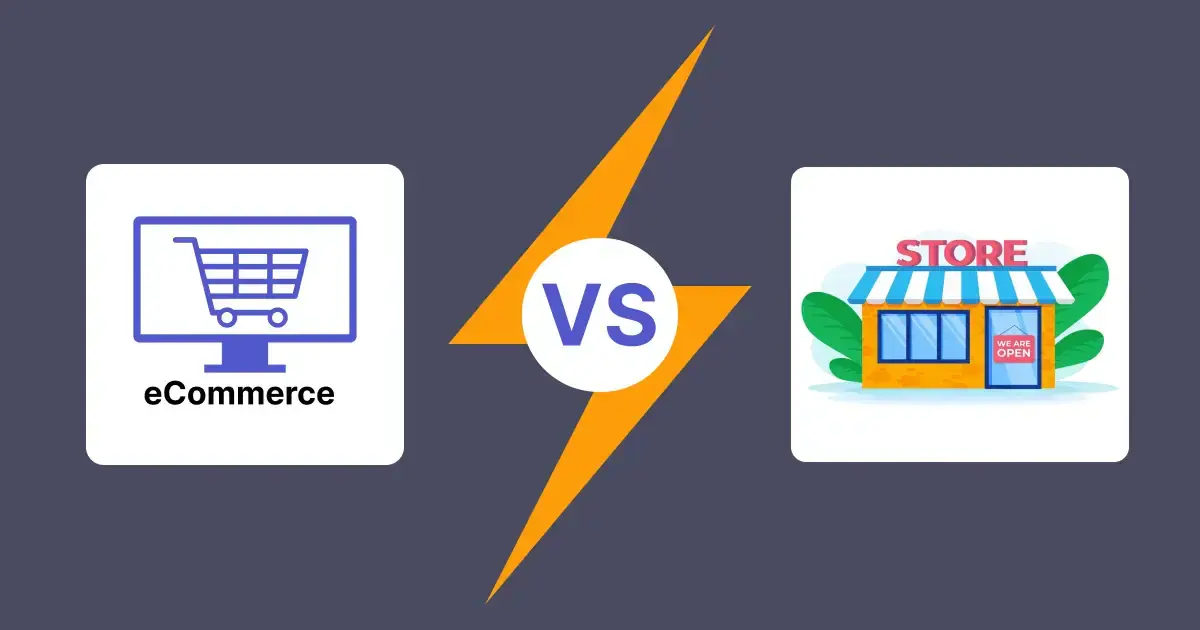
In today’s fast-paced world, businesses have two primary options for selling products: eCommerce and traditional retail. While both models have their own benefits, the big question is: Which one is more profitable? Let's dive into the key differences between eCommerce and traditional retail to understand which model might be best for your business.
eCommerce refers to selling products or services online through an online store. Customers can browse items, add them to their cart, and purchase them from anywhere at any time. Some popular eCommerce platforms include Shopify, WooCommerce, and BigCommerce.
Traditional retail refers to selling products in physical stores. Customers visit the store, browse products in person, and make purchases directly from the shelf. Examples of traditional retail include grocery stores, clothing stores, and department stores.
While traditional retail has its strengths, eCommerce is generally more profitable for most businesses in today's digital age. The low overhead costs, easy scalability, and ability to reach a global audience make eCommerce a more cost-effective option. In addition, eCommerce businesses can save on inventory costs and enjoy higher profit margins.
However, traditional retail can still be a profitable option if your business benefits from in-person interaction or serves a niche market where physical stores are highly valued. It’s important to consider your target audience, location, and product type when deciding between the two models.
Many businesses today use both eCommerce and traditional retail to maximize profitability. For example, some businesses have physical stores but also run an online shop to expand their reach. This "omnichannel" approach allows businesses to cater to both online shoppers and customers who prefer shopping in person. It’s a way to get the best of both worlds.
In conclusion, eCommerce tends to be more profitable due to its lower costs, scalability, and broader market reach. However, traditional retail can still offer advantages in terms of customer experience, cash flow, and local market presence. If you’re looking to start a business with a higher profit potential, eCommerce is a great choice. But if you already have a successful physical store, combining the two models can help you grow and reach more customers. The key is to evaluate your unique business needs and audience to choose the best path to profitability.



আপনার পছন্দের সবকিছু এখন হাতের মুঠোয়। সহজেই আপনার অ্যাকাউন্ট পরিচালনা করুন, পোস্ট শিডিউল করুন, প্রকাশ করুন এবং কার্যক্রম পর্যবেক্ষণ করু

সারা দেশে দ্রুত শিপিং

100% খাঁটি পণ্য

আমরা নিরাপদ লেনদেন নিশ্চিত করি

আমরা মানের সমর্থন নিশ্চিত করি
আপনার জন্য তৈরি মানসম্পন্ন পণ্য, একচেটিয়া ডিল এবং দ্রুত ডেলিভারি অন্বেষণ করুন।